When the wolf came
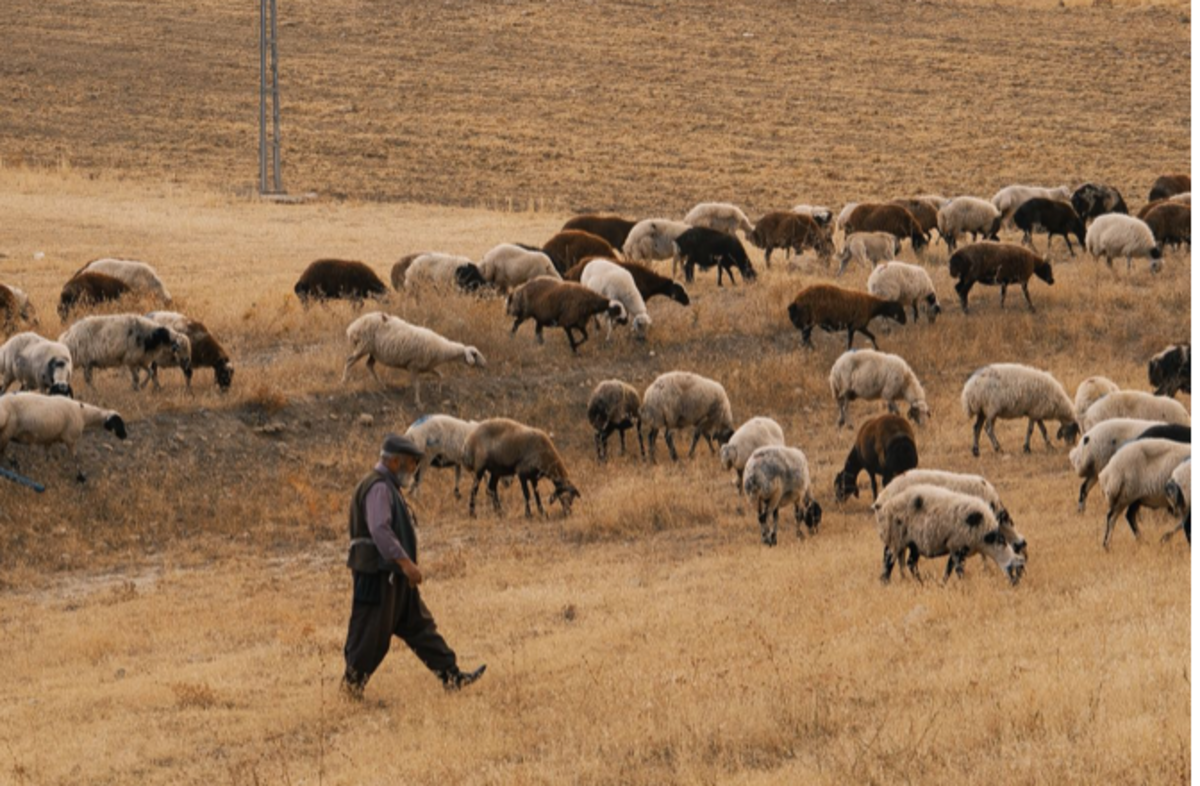
“He who is a hired hand and not a shepherd, who does not own the sheep, sees the wolf coming and leaves the sheep and flees, and the wolf snatches them and scatters them. He flees because he is a hired hand and cares nothing for the sheep.” (John 10:12-13)
The Lord Jesus is describing a particular kind of uninvested worker here: someone present for the easy moments who leaves when things get hard.
2 Samuel 10 shows what this looks like in practice.
David sends men to comfort Hanun, the new Ammonite king, after his father’s death. It is a straightforward act of goodwill. However, Hanun’s advisors convince him that this is a cover for espionage, and Hanun humiliates David’s servants publicly.
When Hanun realises that he has upset David, he doesn’t apologise. Instead, the Ammonites escalate the situation. They hire 33,000 soldiers—the Syrians, and the men of Tob and Maacah—and get ready for battle.
David sends Joab and the army of mighty men to meet them. Before the battle, Joab divides his forces and says to his brother Abishai:
“If the Syrians are too strong for me, then you shall help me, but if the Ammonites are too strong for you, then I will come and help you. Be of good courage, and let us be courageous for our people, and for the cities of our God, and may the LORD do what seems good to him.” (2 Sam 10:11-12)
A military leader, going into battle with open hands. He trusts the Lord, trusts his brothers, and is himself someone they can trust.
The hired soldiers do not fight like that.
When the Syrians see Joab’s armies advancing, they flee. Seeing this, the Ammonites flee too. The Syrians regroup and bring reinforcements, but they flee again.
Money could not purchase what Joab and Abishai had: a reason to stay.
A reason to stay
Joab and Abishai were willing to overextend, to go further than self-preservation required. Because God’s people and cities were theirs to protect. More importantly, they knew God held the battle. With open hands, they bravely did their part and surrendered the outcome to Him.
That is what faithful care looks like. Ezekiel prophesied that the Good Shepherd would seek the lost, bring back the strayed, bind up the injured, strengthen the weak (Eze 34:16). These are the actions of someone brave, who takes a step out to bear somebody else’s burden.
If the Lord has entrusted one of His sheep to you, a friend in a difficult season or a brother or sister losing their footing, then you have been invited into that same ministry of care. Trust the Chief Shepherd with what you cannot control, make His love your reason, and faithfully choose to stay.
Hireling or good shepherd: how will you respond?
Reflection question
Think of a time you stayed to support someone when it cost you something. What made you stay?
Joab went into battle not knowing how God would act, only that he would trust Him with the outcome. Is there a situation in your life where you’re struggling to trust in God? What would trusting Him look like here?
Ezekiel 34:16 describes the Good Shepherd seeking the lost, binding up the injured, strengthening the weak. Which of these are you drawn to now, and what is one concrete step you could take this week?